%202%20(1).svg)
.avif)

.png)
Personalized, Holistic Dental Care in Rochester, NY
At Contemporary Dentistry, we provide a different kind of dental experience—one that blends advanced clinical care with a holistic, wellness-focused philosophy. Our Rochester, NY dental office is built around comfort, empathy, and genuine compassion, ensuring every patient feels supported from their very first visit.
Whether you're maintaining your oral health or seeking a complete smile transformation, our team delivers dental care that is tailored, thoughtful, and designed for lasting results.
Featured Dental Services
We offer a full range of services, with a focus on treatments that enhance both function and aesthetics.
Our featured services include:



.svg)

.svg)


.svg)
Each service is delivered with precision and a focus on your overall well-being.



.avif)
.avif)
.avif)
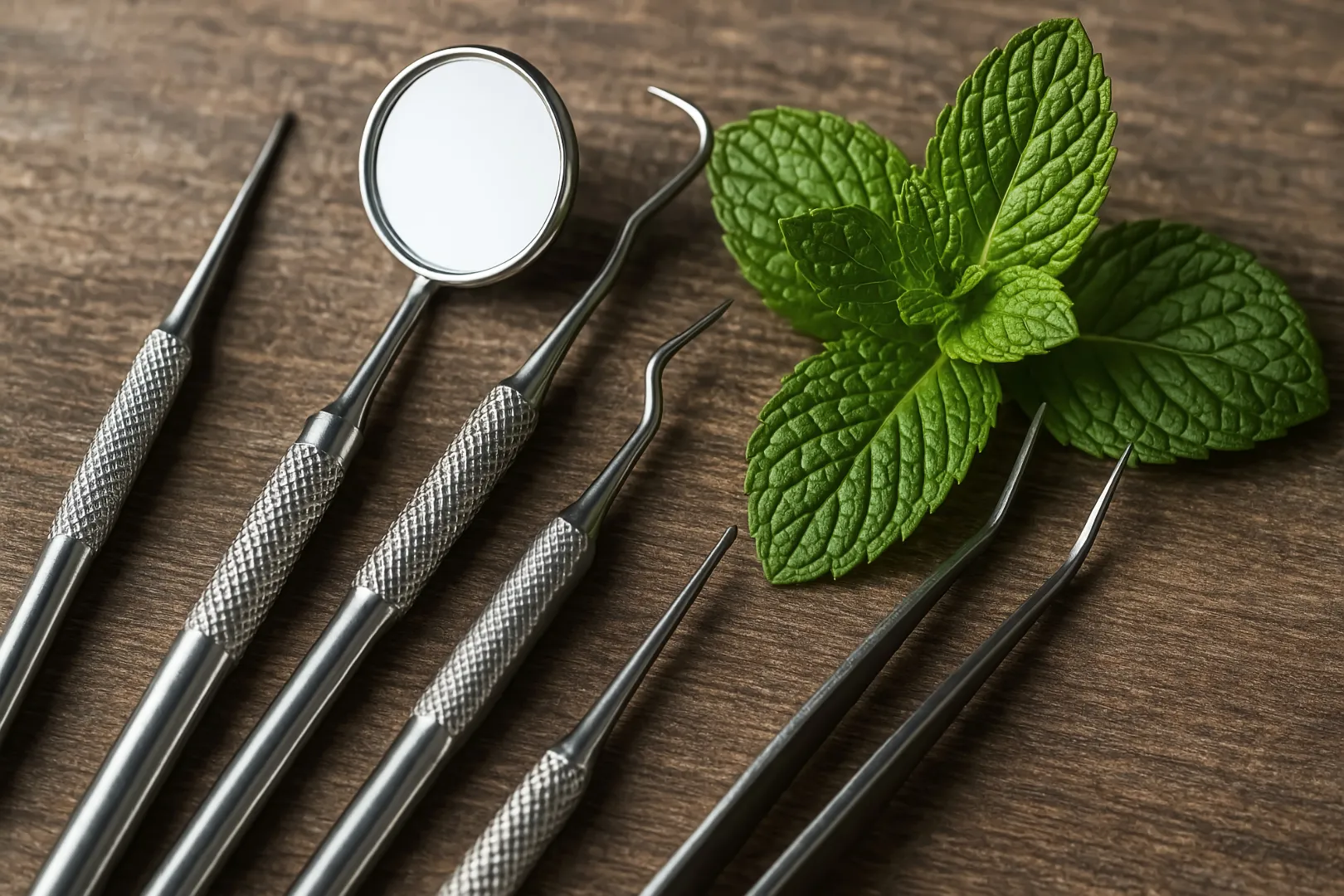
A Holistic Approach to Dentistry
We believe oral health is closely connected to your total health. That’s why our care goes beyond treating symptoms—we focus on prevention, biocompatible materials, and minimally invasive techniques.
Our approach includes:
- Personalized treatment plans based on your overall health goals
- Compatible biologic materials that support your body’s natural balance
- Proactive preventive care through dental cleanings and exams & checkups
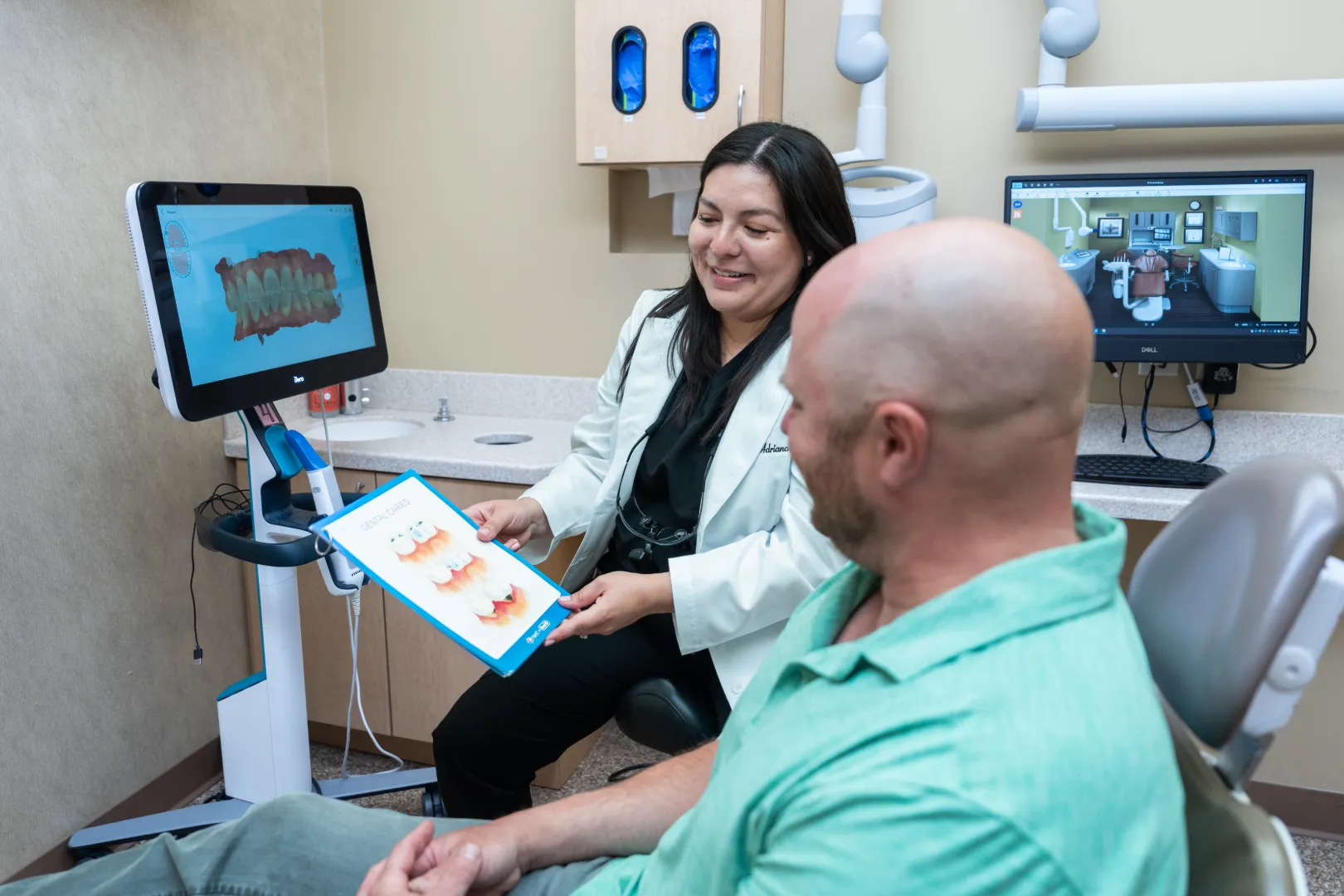
- Advanced diagnostics supported by our technology
This philosophy allows us to deliver care that supports both immediate results and long-term wellness.
Meet Your Rochester Dental Team
Our doctors combine clinical expertise with a shared commitment to compassionate care. Every provider focuses on delivering thoughtful, individualized treatment in a supportive environment.

Dr. Belous has lived in Rochester, NY for nearly four decades since moving from Ukraine. A founding member of the practice, she is an expert general and holistic dental practitioner with decades of experience.
%20(2).jpeg)
Dr. Palacio is a native of Rochester, NY. Both a dentist and a master of science, she has accumulated impressive experience in general, holistic and integrated dentistry. She is a member of the practice.
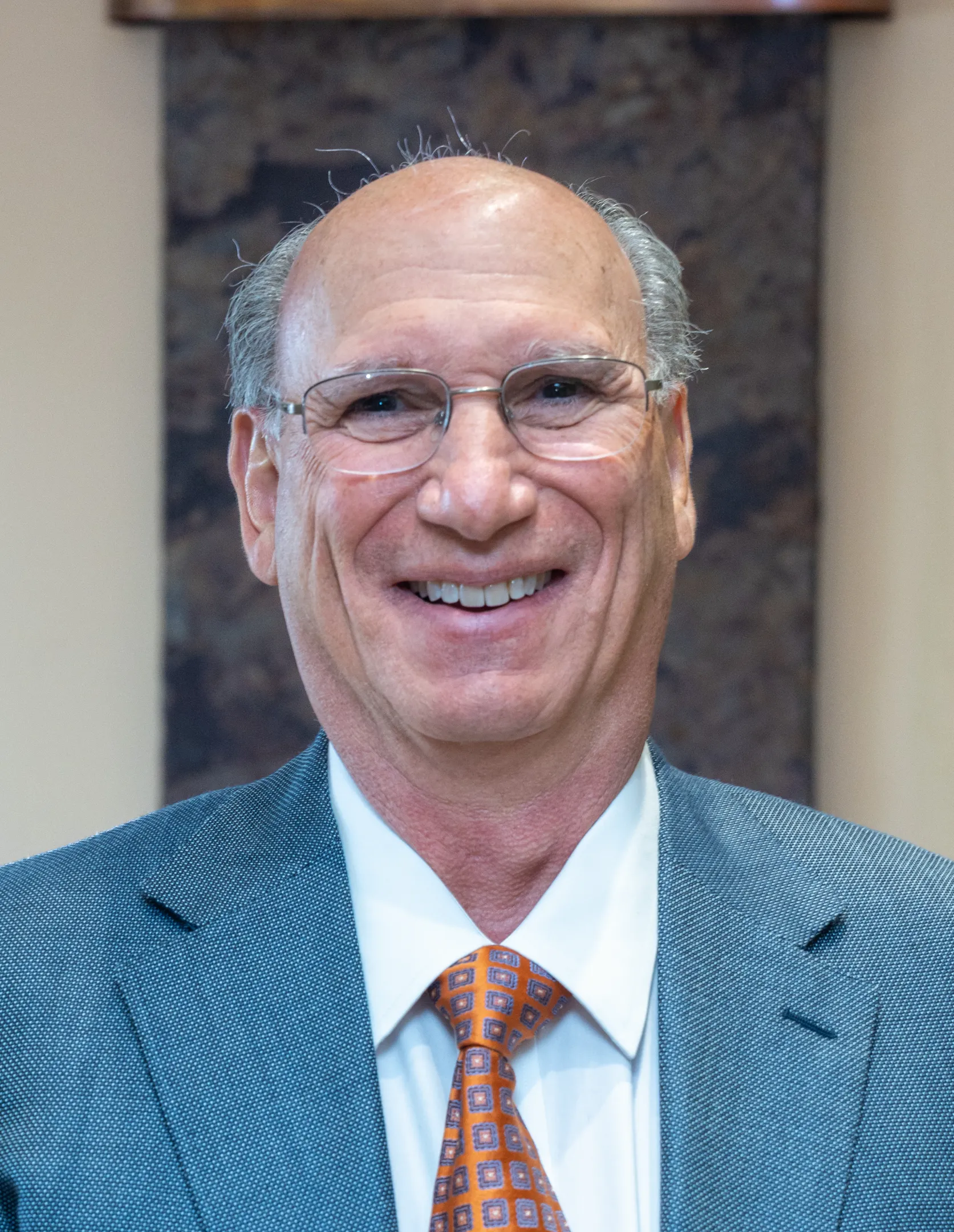
An associate at the practice, Dr. Calcagno is a born and raised Rochesterian who has been a dedicated, career-long general dentistry practitioner since 1978, serving generations of patients.
Our Patients Love Us As Much As We Love Them...
Comprehensive Care in One Location
We provide a full spectrum of dental services so you can receive consistent, coordinated care in one place.
Our services include:
- Preventive care and routine maintenance
- Cosmetic dentistry through our smile enhancement services
- Restorative solutions via tooth repair & restoration
- Advanced treatments and therapies for issues like TMJ and sleep apnea
- Urgent care through emergency dentistry
This comprehensive approach ensures continuity and convenience for every patient.
.webp)
.webp)
.avif)
Financial Options That Save You More
We believe oral care should be accessible to everyone. This is why we offer a variety of payment and financial support options that let our patients say "Yes!" to treatment plans that ensure their optimal oral and overall health.
Our financial support options include:
- Personalized treatment plans with gradual payments
- Flexible CareCredit financing, at no or low interest
- Most major dental insurances accepted
- A variety of payment methods accepted
Our philosophy is simple - a patient dealing with an oral health issue should not have to refuse treatment because of their financial situation. We work with you to make dental care accessible.




A Patient Experience Designed Around You
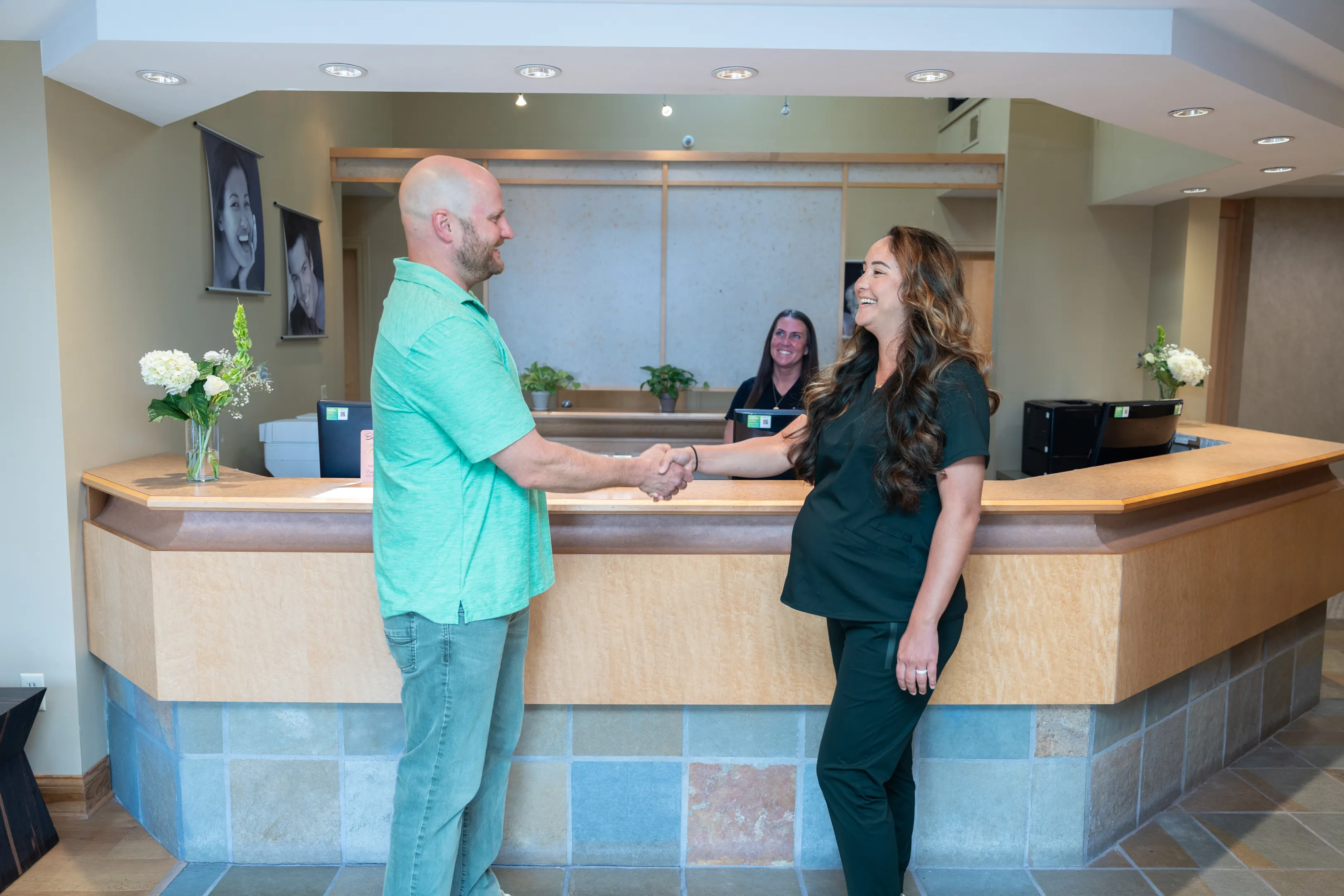
We’ve created a dental experience that prioritizes comfort, clarity, and convenience at every step.
Patients benefit from:
- A calm, spa-like environment
- Clear communication and personalized guidance
- Easy scheduling through our book an appointment page
- Transparent financial options on our insurance & financing page
- Helpful resources in our patient information section
From your first visit to ongoing care, we focus on making your experience smooth and stress-free.
Frequently Asked Questions Answered by Our Expert Dentists

What makes your dental practice different?
We understand that as an informed dental care consumer you have choices and the current web, social media and AI technologies make the information available to you instantly. That’s why Dr. Anna Belous and Dr. Adriana Palacio focus on what is genuinely important. It starts with the core value principles they were raised with as individuals, which they have brought to their careers as Dentists – treat others the way you would like to be treated – with respect and dignity. It is especially important in modern dentistry. Many dental patients feel vulnerable. It becomes the dentist’s job to listen, to understand, and then to educate, guide and comfort the patient. Drs. Belous and Palacio understand their patients’ journeys and they make their patients feel like they are all in it together, as a team, focusing on making the patients’ smiles beautiful, strengthening their oral and overall health and, consequently, improving their quality of life.
Do you offer cosmetic and restorative treatments?
Yes, we provide a full range of services, including cosmetic treatments like veneers, orthodontic treatments like Invisalign, and restorative treatments like crowns, bridges and implants. We are truly a well-rounded, comprehensive general dentistry practice, where you can also get many specialized services, all under one roof. We even offer facial cosmetic treatments to compliment your sparkling new smile with services like Botox and Dermal Fillers injections. All of this means fewer appointments and fewer providers to see.
Are you accepting new patients?
Yes! We welcome new patients and make it easy to get started with our new patient forms.
Do you offer options for dental anxiety?
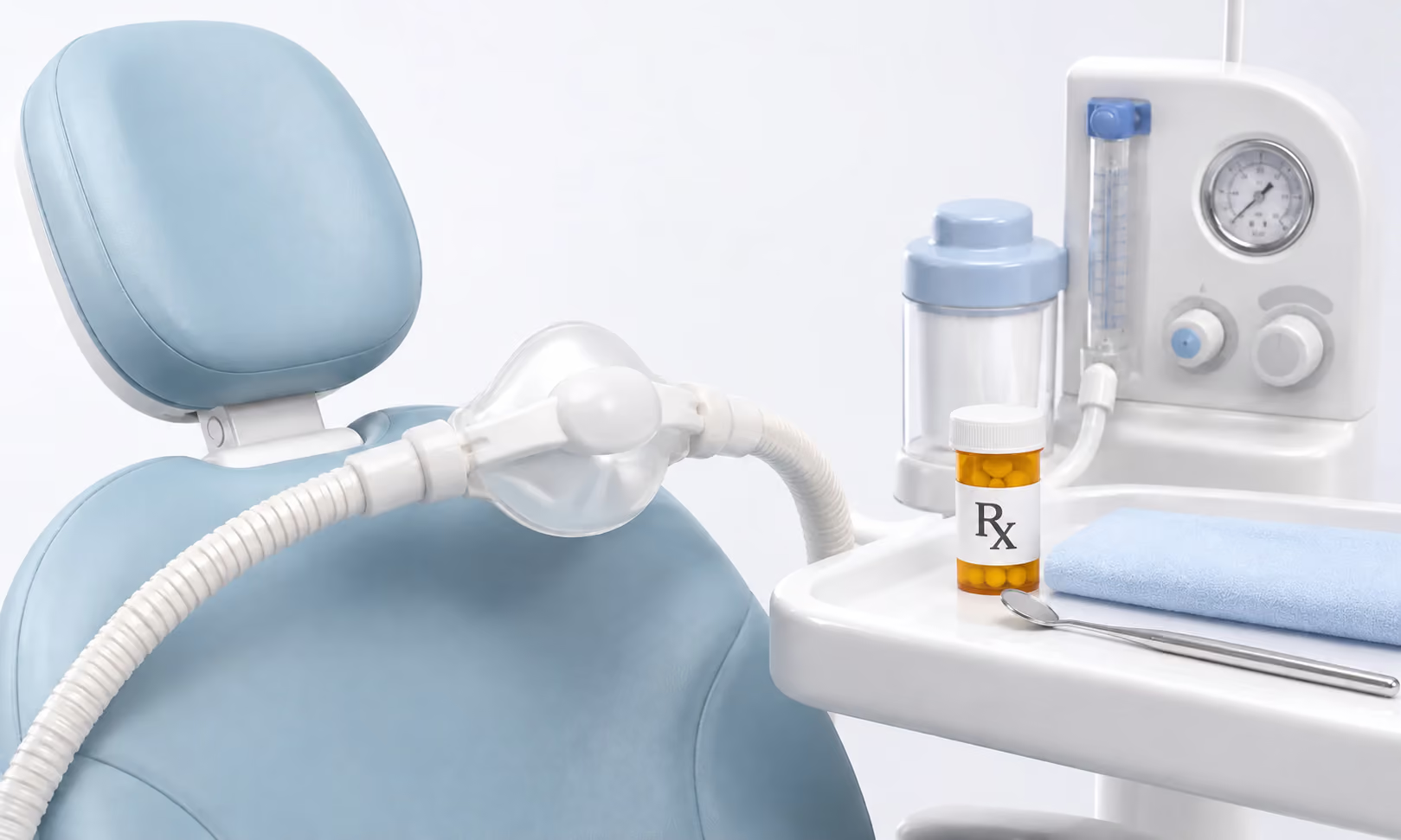
Absolutely! We are one of the most comprehensive and advanced dental practices in Rochester, NY when it comes to dental anxiety reduction and prevention with a whole slew of services, ranging from maintaining a spa-like, calm office atmosphere, to offering simple techniques like personal noise cancellation, music, podcast and TV consumption devices, warm blankets and pillows, to assisting medically with a comprehensive range of sedation options for added comfort, all under one roof.
Would I be able to afford dental care at your practice?
We understand the cost of healthcare in the US has increased dramatically in the last several years, and dentistry hasn't been spared this trend. That is why one of our philosophies focuses on making dental care accessible to all. This means finding avenues to reducing costs, becoming more efficient, working with patients to develop treatment plans with clearly defined, reachable objectives, offering flexible payment options and no- and low-interest financing, participating in some and generally accepting a wide range of insurances, etc... All of these things, combined with Dr. Anna Belous' and Dr. Adriana Palacio's outstanding clinical expertise, make choosing our dental practice one of the most clinically and financially smart decisions our patient can make in Rochester, NY. For more information, see our Insurance & Financing options.
We combine advanced dentistry with a holistic, biologic approach that focuses on your overall health—not just your teeth.
Learn From Our Doctors
Explore helpful dental insights directly from our doctors. Browse articles on preventive care, cosmetic dentistry, dental implants, oral health concerns, and treatment options to make informed decisions about your smile.

What is a Holistic Dentist?
Cut through the fluff and understand who these professionals really are.
What is a Holistic Dentist?
Holistic dentistry represents a comprehensive approach to dental care that goes beyond just treating teeth and gums. Looking at the entire body as an interconnected system, holistic dentists consider how oral health affects your overall wellness. They prioritize natural, biocompatible treatments and focus on prevention while addressing the root causes of dental issues rather than just managing symptoms.
The Philosophy Behind Holistic Dentistry
When you step into a holistic dental practice, you’re entering a space that sees you as more than just a set of teeth. We believe your mouth is a window to your overall health, and what happens there affects your entire body.
Whole-Body Connection Approach
Think about it— have you ever noticed how a toothache can make your whole body feel miserable? That’s because your oral health is deeply connected to everything else. Holistic practices don’t just look at that cavity or bleeding gum in isolation. They’re asking, “Why is this happening?” and “What might this tell us about your overall health?”
Sometimes, what appears to be a small issue—like a cavity under crown restorations—can actually signal a deeper imbalance in your overall wellness. When patients come in with chronic gum inflammation,we’re not just thinking about your gums. We’re considering how your nutrition,sleep quality, stress levels, and even gut health might be contributing factors. Many patients are surprised to learn that their dental issues might be connected to other health challenges they’re experiencing.
Focus on Prevention Rather Than Intervention
You know that saying about an ounce of prevention?
“An ounce of prevention is worth a pound of cure,” – Ben Franklin.
In holistic dentistry, we live by it. Instead of waiting for problems to develop and then drilling and filling, we work with you to maintain optimal oral health from the start.
This means we’ll spend time talking about your diet and how certain foods strengthen your teeth while others weaken them. We’ll discuss how your oral care routine at home might need adjustments. And yes, we’ll clean your teeth thoroughly, but we’ll also teach you techniques to prevent plaque buildup between visits.
When you partner with a holistic dentist,you’re signing up for fewer emergencies and invasive procedures down the road.Wouldn’t you rather spend less time in the dental chair overall?
Natural Healing Principles Applied to Oral Health
Your body has an amazing ability to heal itself when given the right support. In our practice, we harness this natural healing power whenever possible.
If you develop a small cavity, we might first try remineralization techniques through specific nutrients and minerals rather than immediately reaching for the drill. When materials are needed for dental work,we choose options that work harmoniously with your body chemistry.
Core Practices of Holistic Dentists
When you visit our holistic dental practice in Rochester, NY, you’ll notice we do things a bit differently. Let’s talk about what makes our approach special.
Bio-compatible Materials and Mercury-Free Dentistry
Remember those silver fillings from years ago? Those contain mercury—a toxic metal that can slowly leak into your body over time. In our practice, we’ve completely eliminated mercury amalgams and instead use materials that work with your body, not against it.
Before placing any material in your mouth, we can even test it against your unique body chemistry. Many people experience improvements in their overall health after replacing old mercury fillings with biocompatible alternatives. Your body deserves materials that support rather than stress your immune system.
Minimally Invasive Procedures
Nobody enjoys the sound of a dental drill, right? That’s why we preserve as much of your natural tooth structure as possible. Using air abrasion and laser technology, we can often address decay with minimal discomfort and without removing healthy tooth material.
Our conservative approach allows us to preserve teeth with partial restorations rather than full crowns when possible, saving your natural tooth structure and strengthening what remains. Less drilling means less trauma to your teeth and faster recovery times for you.
Nutrition and Lifestyle Counseling
Your diet affects your teeth more than you might realize.Sugary foods are obvious culprits, but did you know certain nutrients can actually strengthen your enamel and support gum health?
During your visits, we’ll talk about foods that promote oral health and those that might be causing problems. Simple dietary changes often lead to dramatic improvements in dental health. We might also discuss how stress impacts your oral health—from teeth grinding to reduced saliva flow—and suggest personalized strategies to address these issues.
Alternatives to Root Canals and Fluoride Treatments
Traditional root canals leave behind a dead tooth that can harbor bacteria. Instead, we offer ozone therapy and other biological approaches that can often save infected teeth while preserving their vitality.
As for fluoride, we understand the concerns many patients have. Rather than conventional fluoride treatments, we focus on natural remineralization techniques and non-toxic alternatives that strengthen your teeth without questionable chemicals. Our approach prioritizes both immediate dental health and long-term well-being. After all, those teeth need to last you a lifetime!
The Mouth-Body Connection
Your mouth is more than just a place for your smile—it’s a critical gateway to your overall health and well-being. What happens between your teeth and gums doesn’t stay there; it can impact your entire body in surprising ways.
Oral Health Impacts on Systemic Conditions
Your mouth isn’t isolated from the rest of your body. Think of it as the gateway to your overall health. The bacteria in your mouth can travel through your bloodstream, potentially affecting your heart, lungs, and other vital organs.
When inflammation persists in your gums, those inflammatory compounds don’t stay put—they circulate throughout your body. This is why poor oral health has been linked to heart disease, diabetes, respiratory issues, and even complications during pregnancy. Every time you brush and floss, you’re not just preventing cavities; you’re protecting your entire body.
How Dental Problems Affect Overall Health
That chronic gum infection might be influencing more than just your smile. The bacteria involved in gum disease can enter your bloodstream, potentially contributing to blood vessel inflammation and increased risk of clot formation.
Sleep apnea and teeth grinding often have dental origins but can lead to chronic fatigue, headaches, and high blood pressure. Even something seemingly minor, like an improperly aligned bite, can trigger persistent neck pain and migraines.
Many people don’t realize that chronic dental infections can tax your immune system, leaving you more vulnerable to other illnesses. When we address these dental issues, we often see improvements in seemingly unrelated health conditions.
Research Supporting the Oral-Systemic Health Link
The science backing the mouth-body connection grows stronger every year. Research published in the Journal of Dental Research has shown direct connections between gum disease and increased risk of heart attack and stroke. Other studies have found that treating gum inflammation can lead to better blood sugar control in diabetic patients.
Recent research has also revealed potential links between oral bacteria and conditions like Alzheimer’s disease and rheumatoid arthritis. Studies demonstrate that people with severe gum disease are significantly more likely to have another chronic condition as well.
This isn’t fringe science—it’s become mainstream understanding. The American Dental Association and American Heart Association both acknowledge these connections, and medical schools are increasingly incorporating oral health into their curriculum.
When we address your oral health from this holistic perspective, we’re looking after your entire well-being, not just your teeth.
Common Treatments and Technologies
Holistic dentistry embraces innovative approaches that are gentler on your body while still providing effective treatment. Here’s how we’re using advanced technologies and natural treatments to care for your smile.
Ozone Therapy
Ozone therapy uses activated oxygen to target harmful bacteria in your mouth without damaging healthy tissue. This powerful yet gentle treatment can eliminate infection in cavities, gum pockets, and even root canals without harsh chemicals.
The beauty of ozone is that it’s completely natural—it breaks down into regular oxygen after doing its job, leaving no toxic residue behind. It can penetrate areas that traditional treatments can’t reach, making it ideal for addressing deep infections that might otherwise require more invasive procedures.
Laser Treatments
Dental lasers have revolutionized how we approach many procedures. For gum treatments, lasers can precisely target infected tissue while stimulating healing in the surrounding area. This means less bleeding,faster recovery, and often no need for anesthesia.
We also use lasers for cavity preparation, allowing us to preserve more of your natural tooth structure while effectively removing decay.The precision of laser technology means treatments are more comfortable and conservative than traditional drilling.
Homeopathic Remedies
Natural remedies can play an important role in dental care,from reducing inflammation to supporting your body’s healing process.Homeopathic approaches use highly diluted natural substances to stimulate your body’s self-healing mechanisms.
For dental anxiety, certain homeopathic remedies can help calm your nerves without the foggy side effects of conventional sedatives. After extractions or other procedures,specific natural compounds can reduce swelling and discomfort while supporting tissue regeneration.
Digital Imaging with Reduced Radiation
Our digital X-ray technology provides detailed images of your teeth and bones while exposing you to up to 90% less radiation than traditional X-rays. These high-resolution images help us detect problems earlier while minimizing your exposure to potentially harmful radiation.
3D imaging technologies allow us to see your oral structures from every angle, leading to more accurate diagnoses and treatment planning.This comprehensive view helps us address the root causes of issues rather than just treating symptoms.


Can I Brush My Teeth If My Crown Fell Off?
Things you should and should not do until you see your dentist.
Losing a dental crown can be both surprising and concerning, leaving you with questions about proper care until you can see your dentist. That exposed tooth now lacks its protective covering, making it vulnerable to sensitivity, damage, and potential infection.
Whether your crown fell out while eating, flossing, or seemingly out of nowhere, knowing how to handle this common dental emergency will help protect your tooth and reduce discomfort until professional treatment.
What to Do First When Your Crown Falls Off
When your crown falls off, stay calm and find it quickly. Rinse it gently with warm water to remove any debris, but avoid hot water, which could damage it. Place the crown in a clean container or small bag to keep it safe until your dental appointment.
Temporary Solutions for Crown Protection
Your exposed tooth needs protection while you wait. Temporary dental cement from your pharmacy works best—just follow the package directions. If you can’t find cement, dental wax, or even a small piece of sugar-free gum (not the sticky kind) can cover the exposed area. Continue brushing around the area gently, and consider using sensitive toothpaste if you’re experiencing discomfort.
When to Contact Your Emergency Dentist
Call your dentist right away if you’re in significant pain or if there are sharp edges bothering your cheek or tongue. Most dental offices reserve slots for emergencies, so don’t hesitate to call even after hours. While some can wait a day or two with a missing crown, waiting too long risks further damage. When you call, describe what happened, your pain level, and mention that you’ve saved the crown.
Can You Brush Your Teeth After Losing a Crown?
Yes, you should continue brushing after losing a crown, but with extra care. Use a soft-bristled toothbrush and gentle, circular motions around the exposed tooth. Avoid aggressive back-and-forth scrubbing that might damage the vulnerable area. Consider brushing the affected area at a 45-degree angle to clean the gumline without putting pressure directly on the exposed tooth.
Stick with fluoride toothpaste for regular cleaning, but consider switching to sensitive toothpaste for the affected area. Avoid whitening toothpaste or products with abrasive ingredients that could irritate the exposed tooth. Skip electric toothbrushes temporarily around the area where your crown fell off. Alcohol-based mouthwashes might cause discomfort, so opt for alcohol-free alternatives or a gentle saltwater rinse instead.
Exposed dentin under your missing crown can cause temperature sensitivity and discomfort. Try lukewarm water for rinsing rather than hot or cold. Breathe through your nose rather than your mouth to prevent air sensitivity. Consider taking over-the-counter pain relievers if discomfort persists, but remember these are temporary solutions until you can see your dentist. Keep the exposed area clean to prevent infection, but don’t overbrush, as this can worsen sensitivity.
Foods to Avoid with a Missing Crown
When your crown falls off, what you eat can make a big difference in preventing further damage. These foods should even be avoided with a dental crown, but certainly with an exposed tooth.
Sticky Foods
Caramels, gummy candies, and taffy can pull at temporary dental cement or even dislodge a loose crown you’ve temporarily reseated. These sticky treats can also get trapped in the exposed tooth, potentially causing tooth decay in this vulnerable area.
Hard Foods
Nuts, hard candies, and ice can crack the exposed tooth beneath your lost crown. Without its protective covering, your tooth is much more fragile and susceptible to fractures that could complicate your treatment.
Crunchy Foods
Potato chips, popcorn, and crisp vegetables put uneven pressure on your tooth. Small particles from these foods can also become lodged in the exposed area, increasing irritation and infection risk.
Very Hot or Cold Foods
Ice cream, hot coffee, or soup can trigger intense pain since the exposed dentin is highly sensitive to temperature changes. This sensitivity occurs because the dentin contains tiny fluid-filled tubules connected to the nerve.
Acidic Foods and Drinks
Citrus fruits, tomato-based foods, and sodas can cause significant discomfort and potentially damage the exposed tooth structure. Acids wear away at tooth enamel and can be particularly harsh on unprotected dentin.
Chewy Foods
Tough meats, bagels, and crusty breads require significant chewing force that can put stress on the vulnerable, natural tooth. This repeated pressure might damage the exposed tooth structure or cause pain in the nerve.
Sugary Foods and Drinks
Candy, cookies, and sweet beverages feed the bacteria in your mouth. Without the crown’s protection, sugar can more easily reach the tooth’s interior, potentially causing rapid decay and complications.
When to Seek Emergency Dental Care
Severe, throbbing pain that doesn’t subside with over-the-counter pain relievers signals potential nerve exposure or infection. Significant swelling around the tooth or in your face, cheek, or gums indicates a possible infection that needs urgent treatment.
If you notice pus around the exposed tooth or experience a fever alongside dental pain, these are signs of infection requiring immediate care. Excessive bleeding that doesn’t stop with gentle pressure also warrants emergency attention. Difficulty breathing or swallowing alongside dental issues is always a medical emergency.
Difference Between Urgent and Non-Urgent Crown Issues
Urgent crown issues include severe pain, significant infection signs, trauma that’s damaged both the crown and underlying tooth, or cases where the exposed tooth has sharp edges causing oral injuries. Non-urgent situations typically involve a crown that’s come off but causes minimal discomfort, no bleeding, and where the underlying tooth appears intact. While non-urgent cases still require prompt attention (within a few days), they don’t necessarily need same-day emergency care.
Options for After-Hours Dental Treatment
Most dental practices offer emergency phone lines with on-call dentists who can provide guidance until you can be seen. Many cities have dedicated emergency dental clinics that operate during evenings and weekends, specifically for urgent cases. Dental schools sometimes offer emergency services at reduced rates. Hospital emergency departments can help with severe infections or pain management until dental care is available. Some dentists also partner with teledentistry services to provide video consultations for after-hours guidance on managing your situation until you can get in-person care.
Your Path to Dental Recovery After Crown Loss
Your dental crown may be temporary, but your smile is permanent. Remember to contact your dentist immediately when a dental crown falls off, maintain gentle and good oral hygiene, and avoid foods that could cause further damage. With proper care and prompt professional attention, you’ll be back to confident smiling and comfortable chewing in no time.

Can Veneers Replace Missing Teeth?
Let's discuss veneers and dive into what they can and cannot do.
You might find yourself covering your mouth when you laugh or tilting your head in photos to hide a gap. It is a frustrating situation, and many of our Rochester, NY neighbors visit us wondering, can you get veneers with missing teeth? Most are looking for a fast cosmetic shortcut to reclaim their confidence.
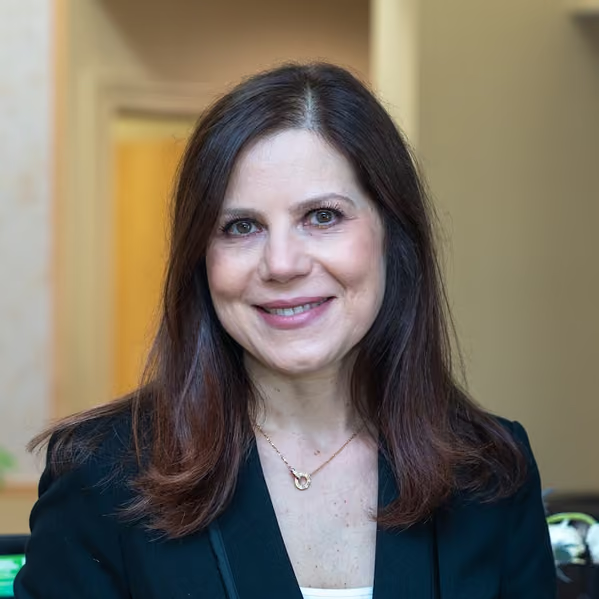
While veneers create beautiful smiles, they are not a standalone solution for a missing tooth. A veneer is a thin porcelain shell that requires natural tooth structure to bond to. If a tooth is missing, there is no foundation for the porcelain to sit on.
This does not mean your dream smile is out of reach. We offer a judgment-free roadmap to restore your foundation first. This guide covers:
- How veneers work with (and without) existing teeth
- Biocompatible replacements like implants and bridges
- Coordinating treatments for a uniform result
- Timelines and budget expectations
Understanding the physical requirements for porcelain bonding is the best place to start.
What Are Veneers and Can They Replace a Missing Tooth?
Have you ever wondered if a dental veneer can simply “fill the gap” left by a missing tooth? While they create stunning transformations, veneers require a healthy tooth structure to function. A clinical veneer is a thin, biocompatible porcelain or composite shell bonded specifically to the front surface of your tooth. Because the bonding process relies on a secure connection to natural enamel, these shells cannot “float” across a space where a tooth is absent. Learn more about porcelain veneers to see how they enhance existing smiles.
- Veneers are an excellent choice for addressing:
- Deep internal discoloration
- Chipped or worn edges
- Minor spacing or irregular shapes
- Mild misalignment
However, veneers cannot replace a tooth root, prevent jawbone loss, or restore chewing function. We must also distinguish professional veneers from “snap-on” products marketed online. While removable options might mask a gap temporarily, they are cosmetic covers rather than health-centered restorations. They do not provide the stability, biocompatibility, or long-term durability of fixed clinical work.
Your Options If You Have Missing Teeth and Want Veneers
Can a veneer replace a fully missing tooth? No. Because a veneer is a thin porcelain shell that requires a natural tooth structure for bonding, it cannot stand alone in an empty space. Beyond aesthetics, leaving a gap can cause your jawbone to lose up to 25% of its density in the first year alone. This leads to shifting teeth, bite misalignment, and changes in your facial structure.
At Contemporary Dentistry, we prioritize biocompatible solutions to restore your smile’s foundation. Here is a menu of paths we often explore with our Rochester patients:
- Dental Implant and Crown:
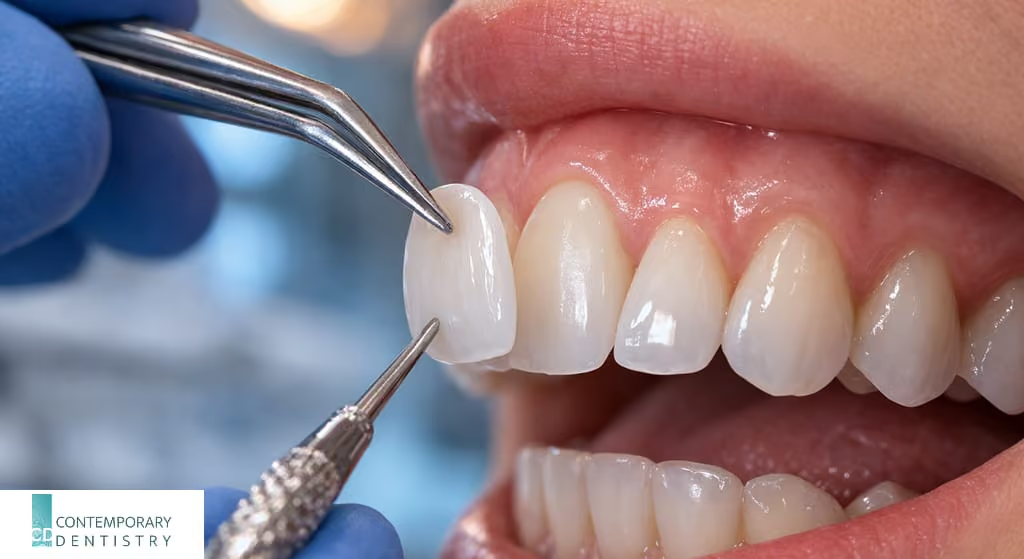
The gold standard for a single missing tooth. We use biocompatible posts—including metal-free zirconia—that act as a new root to preserve bone, topped with a custom crown.
- Traditional Dental Bridge:
This fixed restoration uses the teeth on either side of the gap as anchors. It is an ideal choice if those neighboring teeth already require crowns.
- Maryland or Cantilever Bridge:
A conservative middle-ground for the “smile zone.” These require significantly less tooth preparation and work well for select front-tooth gaps.
- Removable Partial Denture:
A budget-friendly “partial” serves as a functional stepping stone to replace one or several missing teeth.
For a missing front tooth, we typically suggest an implant or an aesthetic bridge plan. For multiple missing teeth, we compare partials against multiple implants based on your long-term wellness goals. To discuss your specific needs, please reach out to our team at tel:(585) 270-6808.
Creating a Natural-Looking Smile After Tooth Replacement
Imagine looking in the mirror after a smile makeover only to find your new implant crown looks like a bright white “chiclet” while your veneers look like natural, multi-toned teeth. This disappointment happens when restorations are planned in isolation. To achieve a uniform result, we replace the missing tooth with an implant crown or bridge while simultaneously placing veneers on neighboring teeth for perfect symmetry.
Light reflects differently off a solid zirconia implant crown than it does off a thin porcelain veneer bonded to enamel. At Contemporary Dentistry, we use translucency mapping and close lab coordination to ensure materials match in both shade and light absorption. This prevents the replacement tooth from looking flat or opaque compared to its neighbors.
Ask these three questions during your consultation to ensure a flawless result:
- Will the implant crown and veneers be shade-matched as a single set by the same lab?
- Can we use a physical mock-up to approve the shape and color in natural light?
- If I already have an implant, is it necessary to update the crown to match the new veneers?
Our team prioritizes comprehensive planning and materials to ensure your restoration supports your systemic health and your self-esteem.
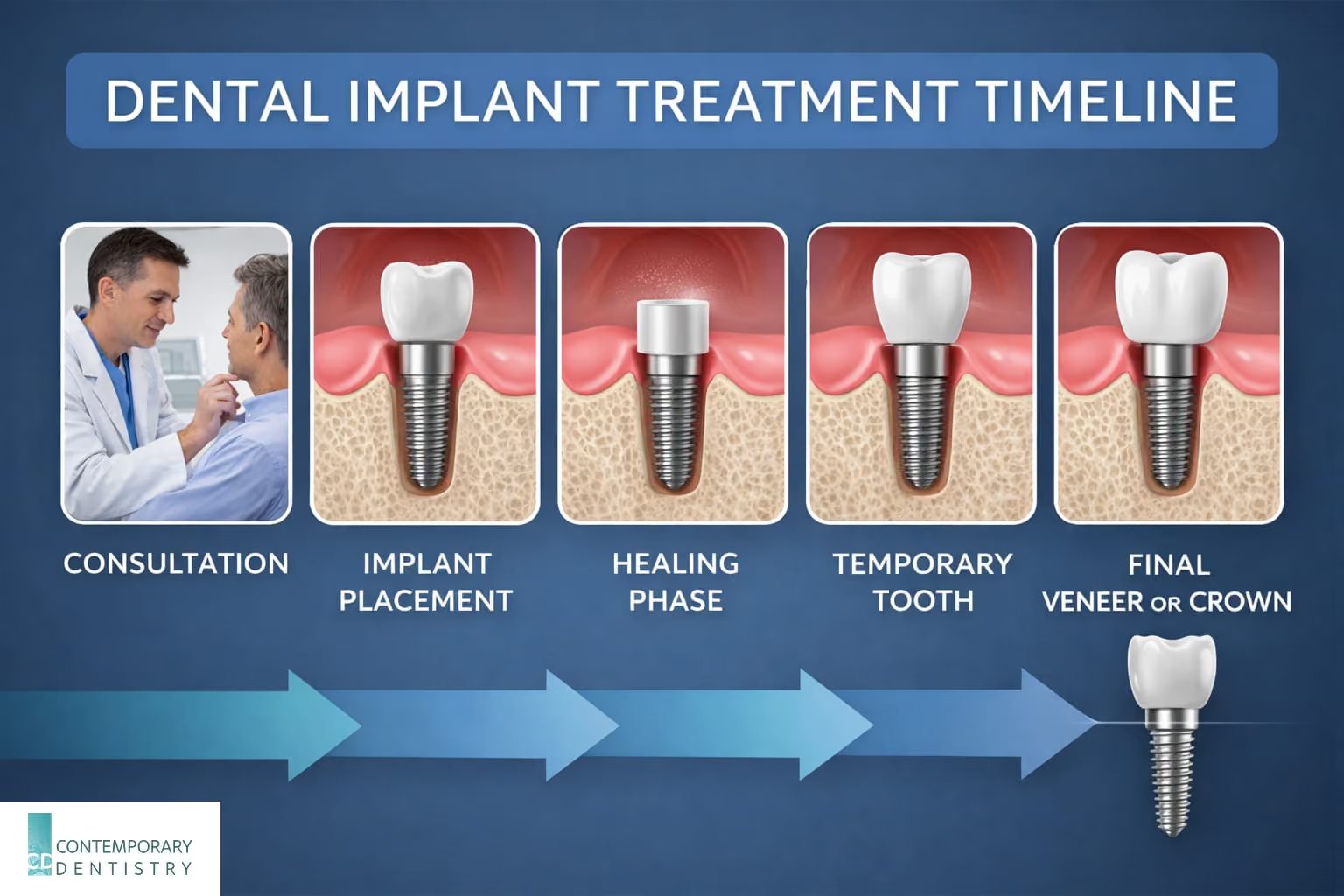
Your Smile Treatment Timeline Step by Step
Clinical data shows that dental implants typically require 3 to 6 months for osseointegration, the essential period when your jawbone bonds to the post. This waiting time often creates anxiety for patients who fear being “toothless,” but modern restorative dentistry ensures you never have to hide your smile while you wait.
At Contemporary Dentistry, we follow a predictable, holistic sequence to ensure long-term wellness:
- Consultation: We gather digital records and create your personalized treatment plan.
- Health First: We address any decay or gum issues to ensure a stable, healthy environment.
- Implant Healing: After placement, the 3 to 6 month integration phase begins.
- Temporary Solutions: We provide “flippers” (temporary partials) or provisional bridges so your appearance remains intact during healing.
- Final Aesthetic Bonding: We often bond veneers last to ensure they perfectly match the shade of your final replacement tooth.
For anxious patients, we offer gentle sedation options to ensure a relaxed experience at every visit. Next, we will break down the cost factors for this investment.
How Much Does it Cost to Get Veneers With Missing Teeth?
What should you expect to invest when combining veneers with dental implants? While an exact quote requires a clinical exam to assess your unique biological needs, understanding ballpark ranges helps you build a realistic budget. High-quality porcelain veneers typically range from $800 to $2,500+ per tooth. A single implant and crown usually cost several thousand dollars.
Common illustrative “combo” plans include:
- Smile-Zone Makeover: 1 implant with a crown plus 6 veneers.
- Full Restoration: 2 implants with crowns plus 8 veneers.
Total costs are driven by surgical complexity, precision lab work from expert ceramists, and the total number of restorations. In the Rochester area, insurance often assists with medically necessary components like implants, while veneers remain an elective investment. We also offer flexible financing through CareCredit.
If you would like a personalized plan tailored to your health, contact our team online or call us at (585) 270-6808.
Your Roadmap to Veneers When Teeth Are Missing
Veneers are the aesthetic finishing touch of a smile makeover, but they cannot replace a missing tooth. Because porcelain veneers require a natural tooth for bonding, your journey must begin with a healthy foundation. At Contemporary Dentistry, we prioritize biocompatible materials and minimally invasive techniques to ensure your restorative work supports your whole-body wellness.
Use this framework to guide your next steps:
- If a front tooth is missing: Prioritize a zirconia implant or bridge to restore the space. Veneers are then used to create a uniform look across all visible teeth.
- If multiple teeth are missing: Focus on restoring your bite and jawbone health with implants or partials first. Cosmetic refinement follows once your function is secure.
- If you have gaps but teeth are present: Veneers, bonding, or orthodontics can often close these spaces without the need for a tooth replacement.
To discuss a personalized plan for your smile, call (585) 270-6808 or request a visit at Contact Us.
Frequently Asked Questions
Can you get veneers if you have missing teeth? Yes, you can receive veneers even if some teeth are missing, but the veneers cannot be placed in the empty spaces. They require a healthy natural tooth or a dental implant crown to serve as a stable foundation for bonding. In most treatment plans, our doctors first replace the missing tooth with a bridge or implant and then apply veneers to adjacent teeth. This approach ensures a uniform, aesthetically pleasing result across your entire smile.
Can veneers cover missing teeth or close a big gap? Veneers can close small gaps or diastemas by slightly widening the porcelain shells to meet in the middle. However, they cannot bridge a gap where an entire tooth is missing because there is no physical structure to support the porcelain. For a true missing tooth, a functional restoration like a dental bridge or implant is necessary. Once that foundation is restored, veneers can be used to refine the shape and color of the surrounding teeth.
Can you get veneers if you have no teeth at all? No, dental veneers are not a viable option for patients who are missing all of their natural teeth. Veneers are strictly cosmetic enhancements that must be bonded to existing enamel or a specific restorative framework. If you have total tooth loss, full-arch solutions like traditional dentures or implant-supported dentures are the appropriate choice. Our team at Contemporary Dentistry specializes in these restorative options to help you regain chewing function and confidence.
Are clip-on or snap-on veneers a good alternative for missing teeth? Clip-on veneers are generally considered a short-term cosmetic mask rather than a permanent dental restoration. While they can hide gaps for photos or special events, they do not provide the stability, hygiene, or chewing strength of fixed clinical veneers. These products often interfere with speech and can trap bacteria against your remaining teeth if worn long-term. We recommend permanent solutions to ensure your oral health remains the top priority.
Can I wear a removable partial denture if my other teeth have veneers? It is possible to wear a partial denture with veneers, but the appliance must be carefully designed to avoid damage. The metal or acrylic clasps should not put excessive pressure on the edges of the veneers, as this could cause them to chip or become loose. Coordinated planning is essential to ensure the denture fits comfortably without compromising your cosmetic work. If an existing veneer ever feels unstable, you can refer to our guide on loose or lost dental veneers for immediate advice.
To discuss a personalized plan for your smile, call (585) 270-6808 or request a consultation online.
Schedule Your Visit Today
Experience dentistry designed around your health, comfort, and confidence. Call (585) 244-3337 or schedule online through our appointment page to get started.

Patient Reviews